You went downstairs to grab the holiday bins and instead found a crack running across the basement floor. Cue the spiral: is the house sinking, is this a $40,000 problem, should you call someone, should you sell and move to a boat?
Take a breath. Here is the reassuring truth about cracks in a basement floor: most of them are about as dangerous as a gray hair. Concrete cracks. It is basically what concrete does for a hobby. The real skill is telling a harmless crack from one that is actually trying to tell you something, especially before you spend real money finishing the space. Let’s decode it.
Are Cracks in a Basement Floor Normal?
Short version: yes, most are completely normal. Poured concrete shrinks as it cures, and that shrinkage almost always leaves fine cracks within the first year. Think of it as the slab settling into its seat.
A basement floor crack earns the “probably fine” label when it is thin, dry, level from one side to the other, and not growing. The cracks worth a second look are the ones that are wide, spreading, uneven in height, or letting water in. In other words: it is not the crack that scares us, it is the crack’s behavior.
Common Causes of Basement Floor Cracks
Concrete Shrinkage
As fresh concrete cures and loses moisture, it shrinks and cracks along its weakest lines. These shrinkage cracks are thin, wander in straight or lazy lines, and are the most common and least dramatic type. If your basement concrete crack looks like a hairline, this is usually the culprit.
Settling and Soil Movement
Northern Virginia is blessed with plenty of clay-heavy soil, which expands when wet and shrinks when dry like a sponge that cannot make up its mind. As the ground under the slab shifts, the concrete can crack. A little settling is normal. Ongoing movement that keeps widening a crack is not.
Hydrostatic Pressure and Water
After a good Virginia downpour, groundwater piles up around and under the slab and pushes. That pressure can force moisture up through an existing crack in the basement floor or open a new one. A crack that stays damp or seeps after storms is waving a little flag at you.
Heaving
When the soil below the slab swells, a section of floor can lift. Heaving shows up as a crack where one side sits noticeably higher than the other, like a sidewalk square that a tree root has opinions about. This one gets a professional look.
Poor Original Construction
A slab poured too thin, over sloppily compacted fill, or without proper control joints will crack unevenly no matter how well you treat it. In older homes around the region, this is more common than anyone would like.
Which Basement Floor Cracks Are Serious?
Here is the cheat sheet for how worried to be. When in doubt, get eyes on it before you finish the space.
- Usually cosmetic: hairline width, no height difference between sides, dry, not growing. Carry on.
- Worth watching: cracks wider than about a quarter inch, cracks that have clearly grown, or cracks that weep a little after heavy rain. Keep an eye on these.
- Call a professional: cracks with uneven height side to side, cracks paired with bowing foundation walls, active water coming in, or a basement that smells like a damp gym bag no matter what you do.
The crack itself is often not the villain. The real questions are whether water and soil movement are under control, because those are what actually threaten a finished basement.
How to Fix Basement Floor Cracks
Sealing Cosmetic Cracks
Stable hairline and shrinkage cracks are cleaned and filled with a flexible polyurethane or epoxy crack filler, or a self-leveling sealant for wider gaps. This keeps out moisture, radon, and the occasional adventurous bug, and it gives you a smooth surface to build on. This is the easy, inexpensive end of how to fix basement floor cracks.
Getting Water and Drainage Under Control
If a crack is letting water in, filling it is like putting a bandage over a leaky pipe. The fix goes after the source: better exterior grading, downspout extensions that carry water away from the house, and, where needed, an interior drain system with a sump pump. Winning the war on water is the most important step before finishing a basement, full stop.
Structural Repairs
Cracks tied to heaving, ongoing settling, or bowing walls call for a structural fix, which can mean slab repair, underpinning, or wall reinforcement. This is specialized work, and it needs to be done and confirmed stable before a single stud goes up.
Prepping the Slab for a Finished Basement
Once the cracks are sealed and moisture is handled, we prep the slab with the right vapor barrier and, in many cases, a subfloor system that keeps your new flooring off the cold, occasionally damp concrete. Do this in the right order and your finished basement stays dry and comfortable for the long haul.
Why This Matters Before You Finish a Basement
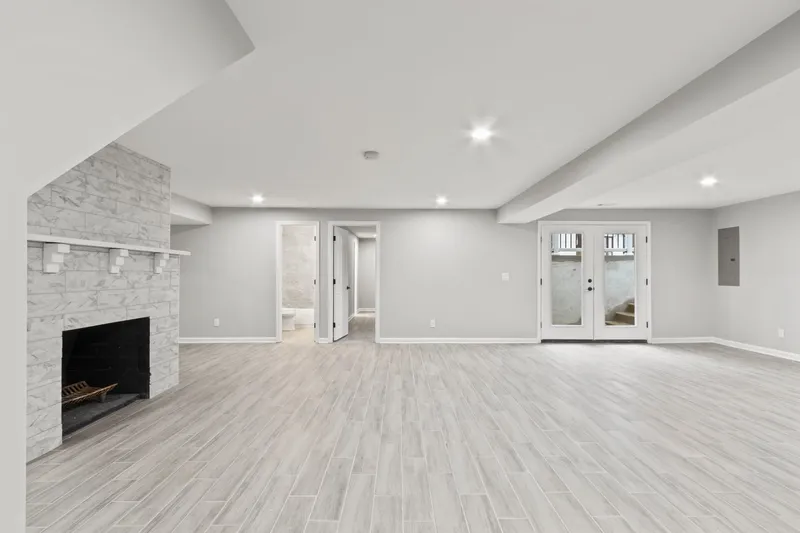
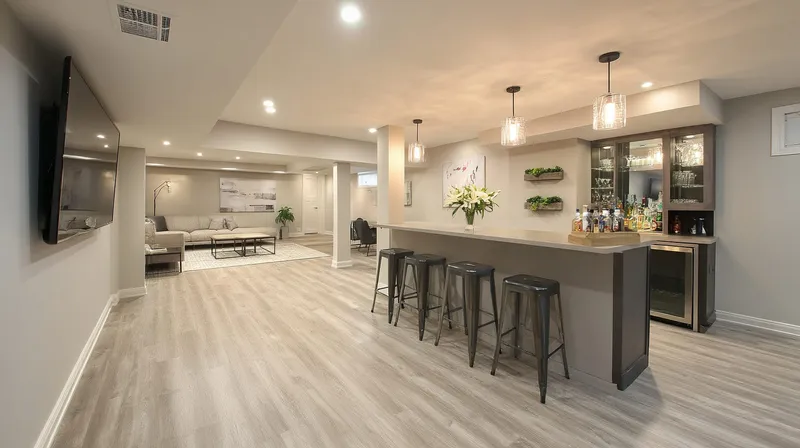
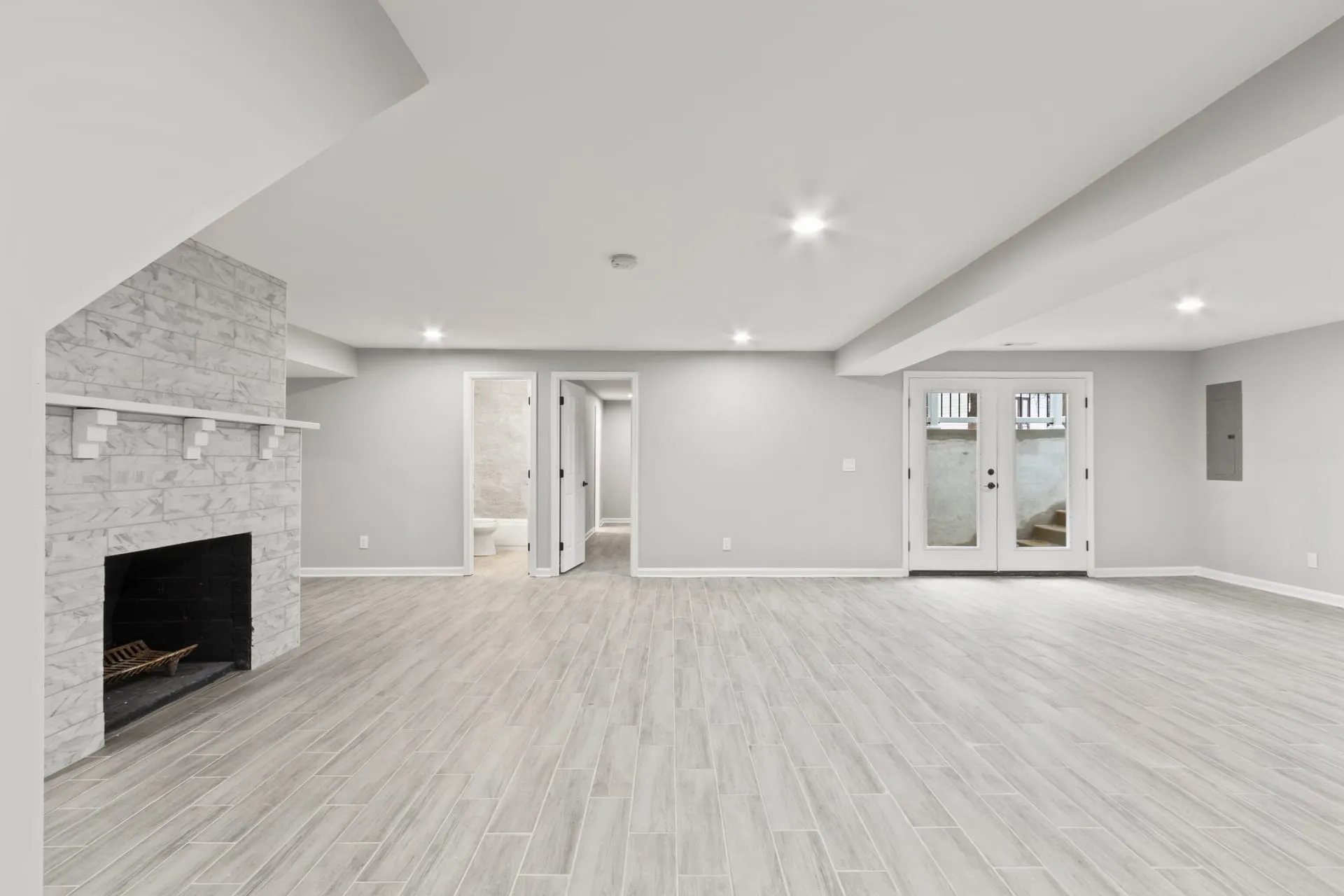
Finishing over unaddressed cracks or moisture is the home improvement equivalent of painting over a check-engine light. It looks great until water shows up behind the new drywall and you are tearing out finished work to fix what you skipped. That is why we deal with grading, sump systems, and vapor barriers first, before any drywall goes up. If you are dreaming of turning that lower level into real living space, start with our overview of basement remodeling in Northern Virginia, then see how much it costs to finish a basement to plan the budget.
Serving Prince William & Fauquier County, VA
Timeless Builder Group evaluates and finishes basements across Prince William County, including Manassas, Woodbridge, and Gainesville, and Fauquier County, including Warrenton and Bealeton. Soil and drainage change from street to street around here, so a contractor who knows the region can spot the difference between a harmless crack and a real one before it costs you.
Frequently Asked Questions
Are cracks in a basement floor normal?
Most are. Thin hairline and shrinkage cracks that are dry, stable, and level are extremely common in poured concrete and are usually cosmetic. The cracks worth evaluating are the wide, growing, uneven, or leaking ones.
When should I worry about a basement floor crack?
Get concerned when a crack is wider than about a quarter inch, when one side sits higher than the other, when it actively leaks, or when it shows up alongside bowing walls or a persistently damp, musty basement. Those point to soil movement or water problems.
Can I finish a basement with cracks in the floor?
Usually yes, but only after the cracks are sealed and any water or structural issues are resolved. Finishing over an active crack or moisture is asking to redo the work, so the slab should be sealed, drained, and vapor-protected first.
How much does it cost to fix a basement floor crack?
Sealing a stable cosmetic crack is cheap and quick. Costs climb when the fix involves drainage systems, a sump pump, or structural repair. An on-site look is the only way to know which category your crack lands in.
Found a crack and not sure if it is a shrug or a red flag? Timeless Builder Group is a licensed remodeling and custom home building company serving Manassas, Woodbridge, Gainesville, and communities across Northern Virginia. Call 703-520-3477 or request a free estimate, and we will help you get the slab right before you finish the space.