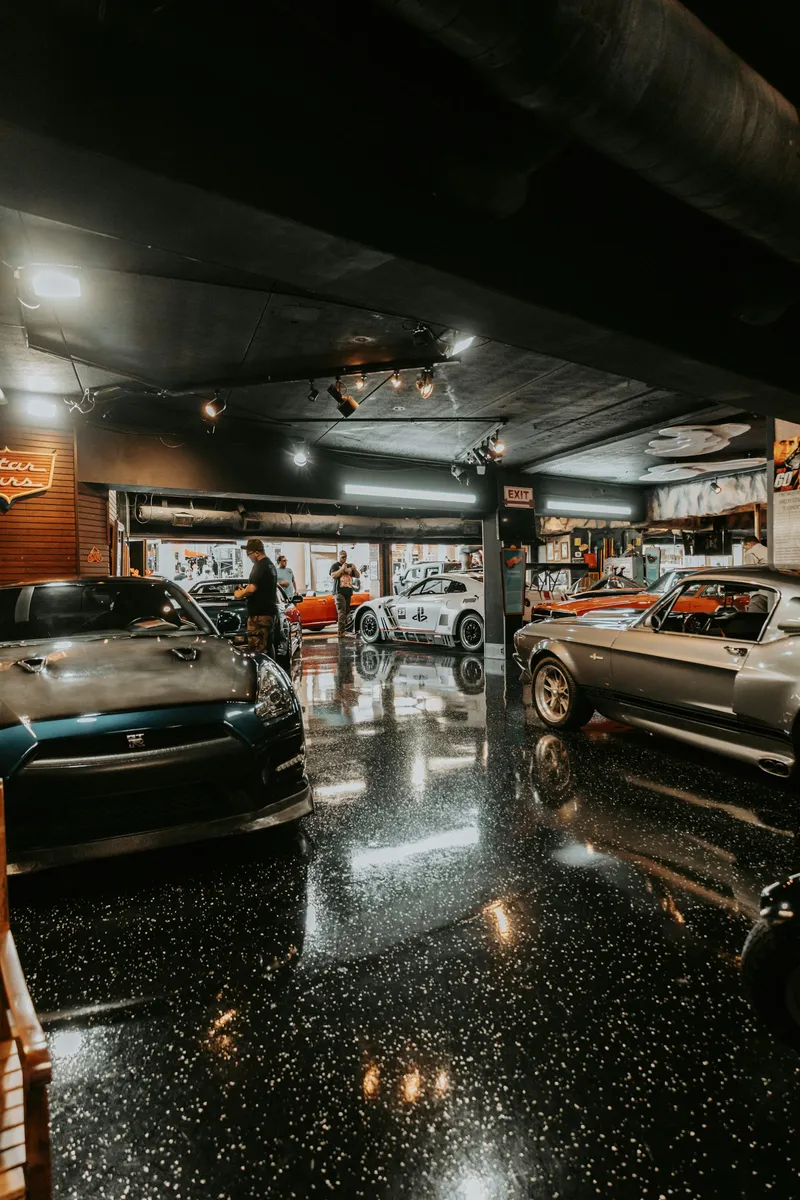
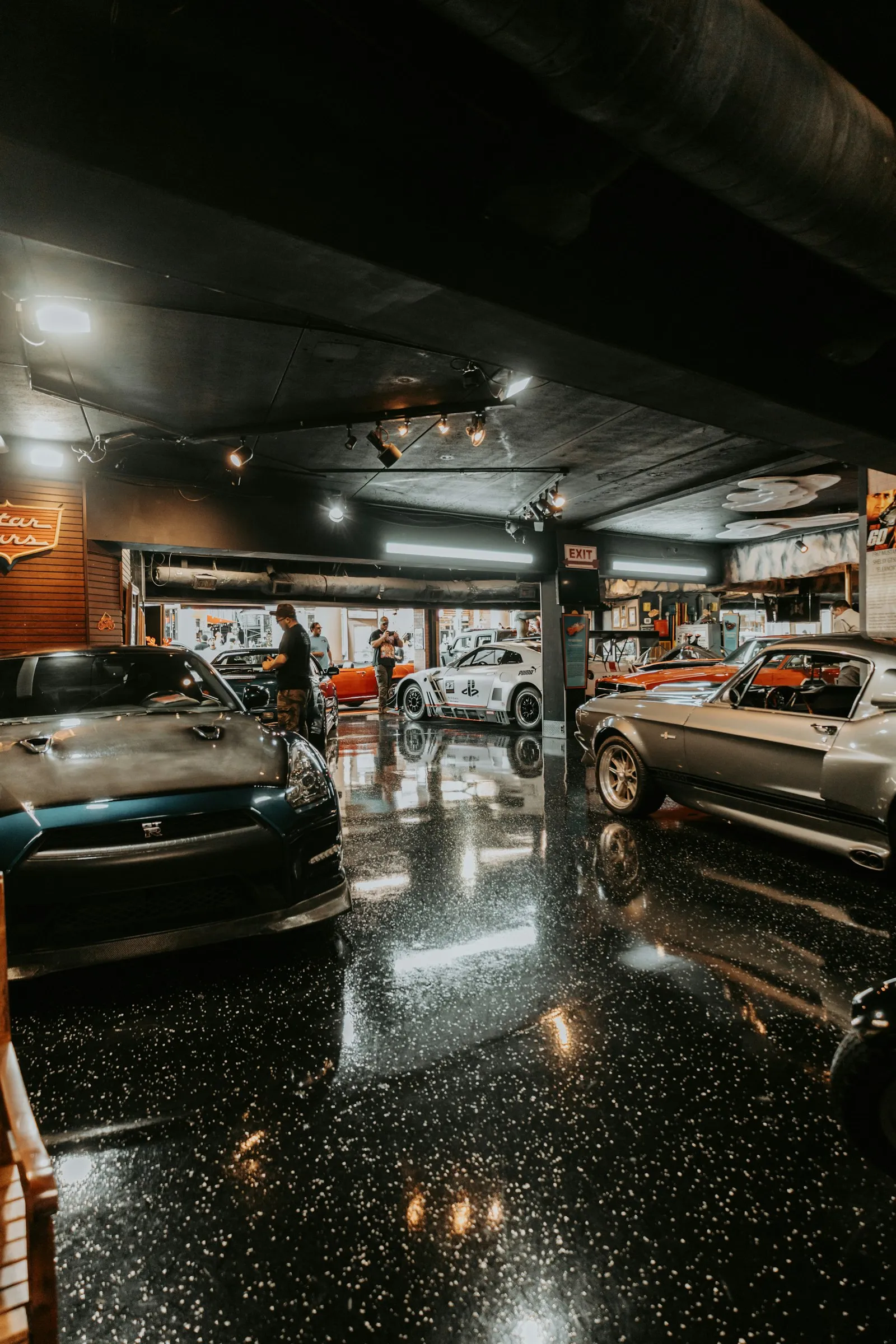
Every winter, Northern Virginia garages take a quiet beating. You pull in off salted roads, park a car dripping slush and brine, and walk away. Come spring, the concrete is flaking, the pretty coating is lifting at the edges, and you are wondering what went wrong. The answer is almost always the same: the floor was not built for the way we actually live here. So let us talk about the best garage floor coating for a real Virginia winter, and why the cheap ones do not stand a chance.
What Winter Actually Does to Your Garage Floor
Concrete looks like a rock, so people assume it behaves like one. It does not. Concrete is porous, more like a hard sponge, and that is where all the trouble starts.
Freeze-Thaw Is the Slow Wrecking Ball
Northern Virginia does not get a steady deep freeze. We get the worse thing: freeze-thaw. Temperatures cross the freezing line over and over all winter, sometimes several times in one week. Water seeps into the pores of your concrete, freezes, and expands about nine percent. That expansion pushes the concrete apart from the inside. Then it thaws, more water gets in, and it freezes again. Repeat that dozens of times a season and you get spalling, pitting, and cracks. This is exactly the freeze-thaw cycle that chews up driveways and garage slabs across Manassas, Fairfax, and Ashburn every year.
Road Salt Is the Chemical Attack
Then there is the salt. Every time you drive on treated roads and pull into the garage, your tires and undercarriage carry brine home and drop it on your floor. Road salt on a garage floor does two nasty things. It chemically attacks unsealed concrete, and it makes freeze-thaw worse by pulling in moisture and lowering the temperature at which that moisture freezes and thaws. Salt does not just sit there. It works.
The Combo Punch
Put freeze-thaw and salt together and you have the ideal machine for destroying bare or poorly coated concrete. This is why so many garage floors that looked fine in October are crumbling by March.
Why Cheap Coatings Fail First
Here is the cruel joke: a coating is supposed to protect against all of that, yet a cheap coating often fails faster than bare concrete would, because now you have a lid trapping problems underneath.
The usual failure story goes like this. A budget install or a big-box kit skips real surface prep. Instead of grinding the concrete open, it gets a quick acid etch or just a roll-on over a rinsed floor. The coating bonds weakly, sitting on the surface rather than gripping into it. Then winter arrives:
- Warm tires from a running errand sit on the cold floor and lift the coating (hot-tire pickup).
- Salt and moisture creep under the edges and into any pinhole.
- Freeze-thaw works at the bond line from below.
Within a season or two, the floor is peeling. The coating was never the problem. The prep was.
What Actually Holds Up
A garage floor that survives Virginia winters is not about one magic product. It is about a system, and it is mostly about the boring part.
1. Mechanical Prep (This Is the Whole Ballgame)
The floor has to be diamond-ground so the coating bonds into the concrete instead of resting on top of it. This single step is the difference between a floor that laughs at hot tires and salt and one that peels. If a quote does not include diamond-grinding, it does not include a floor that lasts. This is the number one thing that separates a floor built for cold weather from one that just looks good in the brochure.
2. Crack and Pit Repair Before Coating
Every crack and pit gets repaired first, so water has nowhere to hide and freeze. Coating over damage just seals the damage in with a shiny finish.
3. A Polyaspartic Topcoat
For cold-weather durability, a polyaspartic topcoat is hard to beat. It cures across a wide temperature range, stays flexible instead of brittle, and resists salt, abrasion, and UV. Flexibility matters in freeze-thaw country, because a coating that can move a little with the slab will not crack the way a rigid one does. Many of the toughest floors pair an epoxy base for build with a polyaspartic topcoat for armor. You can read the full comparison on our polyaspartic coatings in Northern Virginia page.
4. A Fully Sealed, Seamless Surface
The goal is zero entry points. A properly installed, seamless system leaves salt and meltwater nowhere to soak in. You mop it up and it is gone, instead of it working into the concrete for the next three months.
Put those four together and you have the answer to what actually survives here. It is not a brand name. It is prep plus the right topcoat, installed as a full system. That is the build we install on our garage floor coating in Northern Virginia service, done in one day and backed by our Forever-Bond lifetime warranty.
What It Costs to Do It Right
A full professional system runs about $8 to $12 per square foot installed, so a two-car garage typically lands between $3,500 and $6,500, depending on your concrete’s condition and the finish you pick. It costs more than a weekend kit. It also does not peel off with your tires in February, which tends to even the math out fast.
A Simple Winter Care Routine
Once you have the right floor, keeping it happy is easy:
- Rinse or mop off road salt and slush now and then instead of letting it dry and sit.
- Use a squeegee or a soft push broom, not harsh metal scrapers.
- Wipe up any deicer spills promptly.
- Skip the studded chains dragging across it, obviously.
That is genuinely it. A good coating asks for a mop, not a maintenance plan.
FAQ
What is the best garage floor coating for cold weather?
A diamond-ground system with an epoxy base and a polyaspartic topcoat. The polyaspartic stays flexible and resists salt and abrasion, and the prep keeps it bonded through freeze-thaw.
Will road salt damage an epoxy garage floor?
Salt will attack unsealed concrete and creep under a poorly bonded coating. A properly prepped, sealed system with a polyaspartic topcoat resists salt and wipes clean.
Does freeze-thaw really crack concrete?
Yes. Water in the pores expands when it freezes, and repeated cycles cause spalling and cracks. Sealing the slab with a bonded coating keeps that water out.
Can you coat a garage floor in winter?
Often yes, especially with polyaspartic, which cures across a wide temperature range. We assess conditions first and schedule accordingly.
Beat This Winter to It
The best time to protect your slab is before the salt starts flying. Book a free floor assessment and we will check your concrete and recommend the right cold-weather system. Start on our garage floor coating or polyaspartic coatings pages, or contact Timeless Builder Group to get on the schedule.